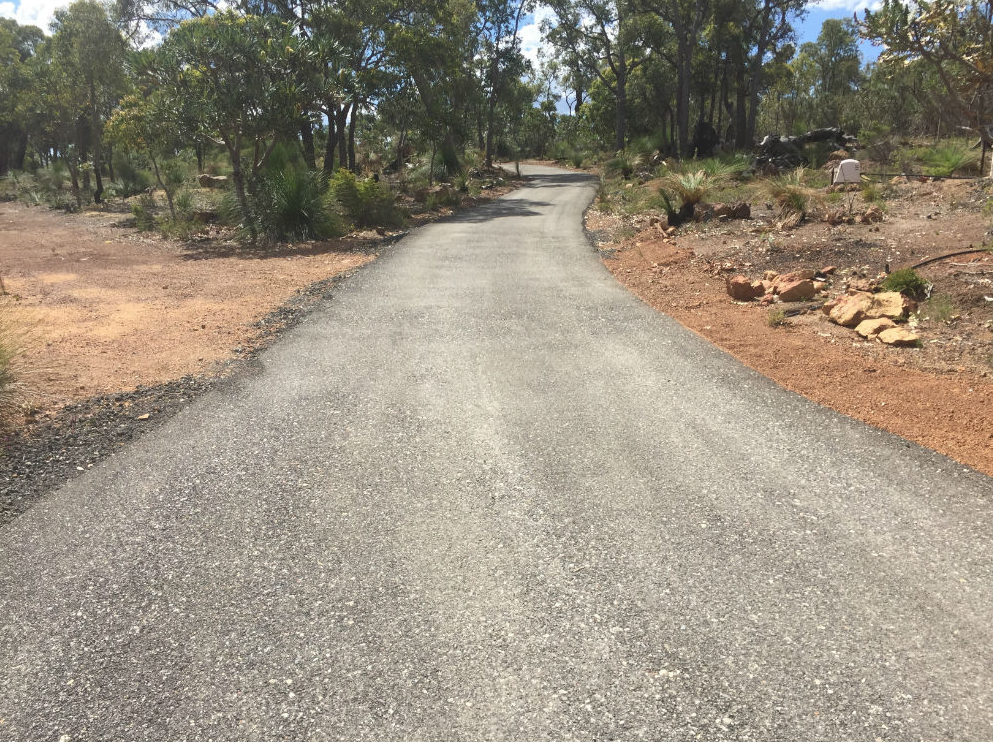
Hardstands are built to provide stable, practical areas for vehicle movements, machinery, storage and day-to-day operations. Over time, however, repeated traffic, water movement and general surface wear can leave an existing hardstand uneven, rutted or difficult to use. When this happens, complete reconstruction is not automatically the first option that should be considered.
For suitable hardstands in Chinchilla, QLD, professional grading can help restore levels, improve drainage and create a more consistent surface. Whether grading alone is appropriate depends on the material, condition and structural stability of the existing hardstand, which is why an assessment of the entire area is important before work begins.
What Does Grading an Existing Hardstand Involve?
Grading involves reshaping the surface to establish more consistent levels and appropriate falls. On an existing unsealed or granular hardstand, this can include working available material, correcting high and low sections, restoring the desired profile and preparing the area for compaction or further surfacing work.
The objective is not simply to make the hardstand look flatter. Good grading should address how the area functions.
Depending on its condition, grading can help with:
- Ruts created by repeated vehicle movements
- Uneven or corrugated sections
- Low areas where water collects
- Loose material that has moved across the hardstand
- Minor changes to the original surface profile
- Preparation before additional pavement or surfacing work
The existing foundation still needs to be capable of supporting the intended use.
Why Do Hardstands Lose Their Shape?
A hardstand can gradually become uneven even when it was originally constructed correctly. These surfaces often experience concentrated loads, turning vehicles and repeated movement along the same traffic paths.
Heavy and Repeated Traffic
Trucks, machinery and other vehicles place considerable pressure on a hardstand. Areas used repeatedly for turning, braking or parking can experience greater wear than surrounding sections.
Over time, this may produce wheel ruts, displaced material and uneven levels.
Water Movement
Drainage has a major influence on hardstand performance. Water travelling across an unsealed surface can move fine material and gradually alter the profile. Water that remains in low spots can also weaken susceptible sections beneath the surface.
Loss of Surface Material
Loose hardstand material can be displaced by tyres, rainfall and regular operational activity. Once material moves away from particular areas, depressions and irregularities can begin to develop.
Localised Foundation Problems
Sometimes the visible unevenness is only a symptom. If the underlying base has become weak or unstable, repeatedly grading the surface without correcting the deeper problem may provide only a temporary improvement.
How Can Grading Restore the Surface?
Where the existing pavement remains structurally suitable, grading can be an effective way to bring the hardstand back into a more practical condition.
Restoring a More Consistent Profile
A grader can reshape displaced material and correct irregularities across the surface. High sections can be reduced while suitable material is redistributed into lower areas.
This produces a more consistent profile for vehicles and machinery.
Better Levels Mean Better Usability
A hardstand does not need to be perfectly flat. In fact, carefully planned falls are normally required for drainage. The aim is to create a controlled profile rather than simply eliminating every slope.
The result should support both traffic movements and effective water management.
Grading Can Help Correct Rutting
Ruts are common in hardstands exposed to repeated vehicle traffic. They can make the area uncomfortable to drive across and may collect water after rainfall.
Where rutting is primarily within the upper pavement material, grading can reshape the affected sections before the surface is compacted again.
However, deep or repeatedly returning ruts may indicate inadequate support underneath. In these situations, simply moving surface material is unlikely to address the cause.
Improving Hardstand Drainage
One of the greatest benefits of professional grading is the opportunity to improve how water moves across the hardstand.
Poorly shaped areas can allow rainfall to collect rather than drain away. Continued water accumulation may then contribute to soft spots, erosion and further deformation.
Professional grading can establish appropriate falls that encourage water to move away from traffic areas.
For hardstands in Chinchilla, QLD, drainage should be considered as part of the overall restoration rather than treated as a separate issue after grading is complete.
When Is Grading Alone Not Enough?
Grading is useful, but it cannot solve every form of hardstand deterioration.
If the underlying structure has significantly weakened, additional work may be necessary before the surface can provide dependable support again.
Warning signs can include:
- Deep depressions returning after previous grading
- Extensive soft or unstable sections
- Severe erosion
- Significant loss of pavement material
- Persistent water problems
- Movement under heavy vehicles
- Widespread structural deterioration
In these circumstances, the affected areas may need additional base material, reconstruction, improved drainage or another form of pavement treatment.
A professional assessment helps distinguish between surface irregularities that can be corrected through grading and deeper problems that require more substantial attention.
Why Compaction Matters After Grading
Reshaping loose material is only part of restoring a hardstand. The prepared material also needs adequate compaction.
Compaction helps the pavement particles interlock and creates a more stable layer capable of supporting traffic. Without it, freshly graded material can move again relatively quickly when vehicles return.
Good grading and compaction therefore work together. One establishes the required shape, while the other helps stabilise that shape for continued use.
Can Grading Prepare a Hardstand for Asphalt or Bitumen?
Grading can also form part of the preparation process when an existing hardstand is being considered for asphalt or bitumen surfacing.
Before a new surface is installed, the existing area needs to provide appropriate levels, drainage and structural support. Grading can help establish the required pavement profile, but any weak sections should be addressed first.
A successful upgrade depends on the complete pavement structure rather than simply covering an uneven hardstand with a new surface.
The Importance of Assessing How the Hardstand Is Used
The restoration approach should reflect the demands placed on the area.
A hardstand used by lighter vehicles will experience different stresses from one supporting trucks, machinery or frequent turning movements. Understanding these demands helps determine whether the existing pavement is adequate and how it should be restored.
At Chinchilla Asphalt & Bitumen Surfacing, this means considering factors such as:
- Existing pavement condition
- Vehicle types and traffic movements
- Areas of concentrated wear
- Drainage patterns
- Surface levels
- Condition of the underlying base
- Intended future use
This provides a clearer picture of what the hardstand actually needs rather than treating every uneven surface in the same way.
Regular Grading Can Be Part of Hardstand Maintenance
For suitable unsealed hardstands, grading does not have to be reserved for severely deteriorated surfaces. Periodic attention can help correct minor changes before they become more disruptive.
Early grading can help restore shallow ruts, redistribute displaced material and maintain effective drainage falls.
Property owners should monitor changes in the surface rather than waiting until access becomes difficult. Increasing rutting, persistent puddles, loose material and noticeable depressions can all indicate that maintenance is becoming necessary.
Why Professional Grading Produces a Better Result
Effective grading requires an understanding of levels, drainage and pavement behaviour. Simply smoothing visible bumps may leave the underlying causes of deterioration untouched.
Professional grading focuses on restoring a functional pavement profile while identifying areas that require additional attention.
Chinchilla Asphalt & Bitumen Surfacing provides grading and surfacing solutions for hardstands in Chinchilla, QLD, with attention to the way each site is used and the condition of its existing pavement. The objective is to create a stable, practical surface rather than applying unnecessary work where it is not required.
Conclusion
Yes, grading can help restore an existing hardstand when deterioration is mainly related to rutting, uneven levels, displaced material or loss of the original surface profile. It can also improve drainage and prepare the area for compaction or further asphalt and bitumen surfacing work.
The key is understanding whether the problem is confined to the surface or originates deeper within the pavement. Grading cannot compensate for a seriously weakened foundation, which is why the condition of the base should always be considered before restoration begins.
For hardstands in Chinchilla, QLD, Chinchilla Asphalt & Bitumen Surfacing can assess the existing surface and determine whether professional grading, additional preparation or resurfacing is the most appropriate way to restore reliable access and long-term usability.
Call us on: 07 5241 4500
Click here to find out more about Chinchilla Asphalt & Bitumen Surfacing
Click here to complete our contact form and see how we can help with your Asphalt and Bitumen Surfacing needs.